
Review · PALACE GARDENS AND GROUNDS
Tokyo: Edo Castle & East Garden of the Imperial Palace Tour
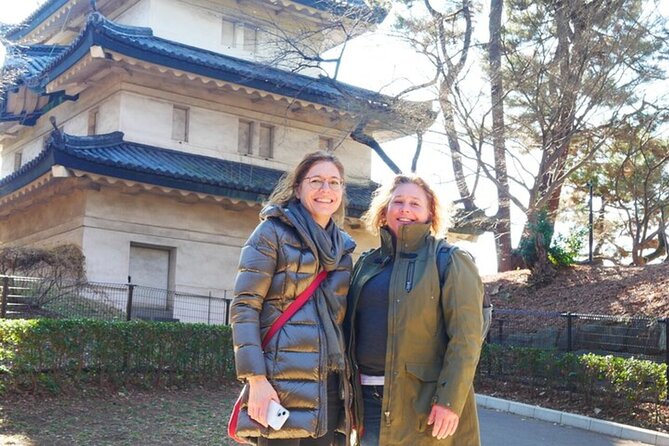
Edo Castle’s East Garden gives you Tokyo history in a surprisingly peaceful setting. You walk over old castle grounds, past stone walls, garden ponds, foundations, and carefully tended trees while your guide connects each place to the shoguns and emperors who shaped Japan. Hitoshi, Naoko, Shigeru, and Masahito are among the guides praised for clear English and patient explanations.
I like the gentle two-hour pace, which gives you time to stop for photos and questions. I also like the visual aids some guides carry, since old pictures help you picture buildings that no longer exist. The main drawback is simple: you do not enter the Inner Palace, and the garden is closed on Mondays and Fridays.
Key points to know before you go
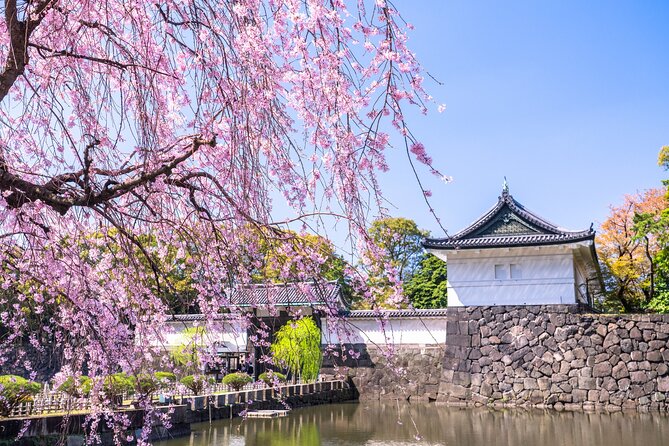
- Walk through former Edo Castle grounds: See stone walls, old foundations, gates, and garden spaces tied to Japan’s shogun era.
- Expect a history-focused guide: Guides such as Hitoshi, Naoko, Shigeru, Mikio, and Masahito are praised for clear English and lively explanations.
- Allow two relaxed hours: The pace suits visitors who want time for photos, questions, and short rest stops.
- Meet at Wadakura Fountain Park: Look for the guide holding a sign marked Gotcha.
- Plan around closures and security: The East Garden is closed Mondays and Fridays, and bags may be inspected at the entrance.
- Leave knives in a locker: If you shop for Japanese knives or other weapon-like items before the tour, store them before meeting the guide.
Why Edo Castle’s East Garden is worth your time
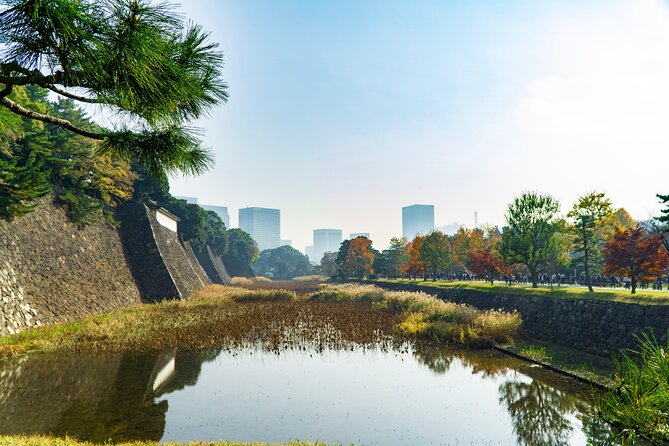
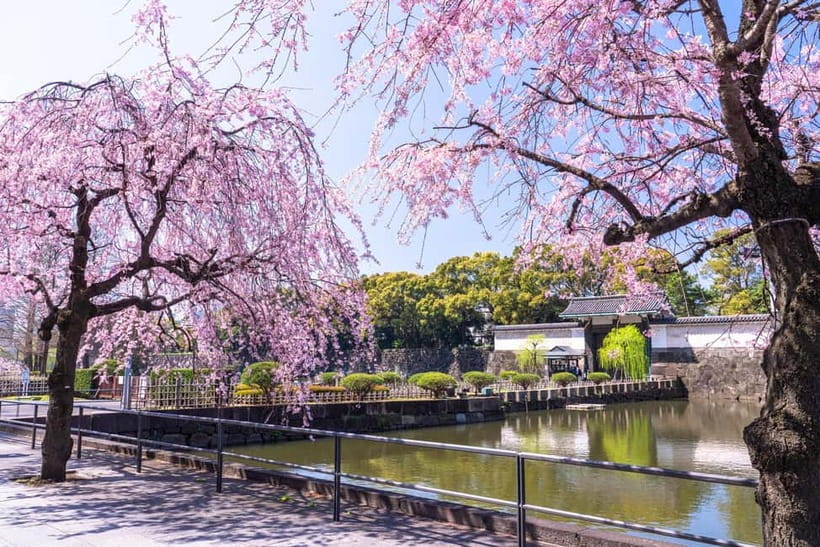
Tokyo can feel like a city of towers, trains, neon, and tight schedules. The East Garden offers a different view. It occupies part of the former Edo Castle grounds, where the shogun governed Japan during the Edo period. Today, the setting is open, green, and quiet enough for a slow walk.
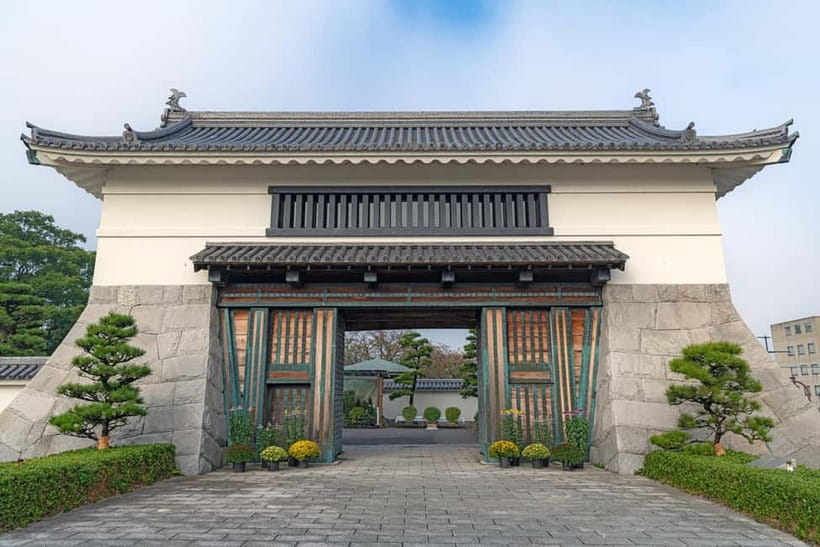
The garden is not a preserved castle in the European sense. Much of Edo Castle disappeared, and the Inner Palace is not open to the public on this tour. What remains are traces: stonework, walls, foundations, entrances, and carefully arranged garden spaces. That makes a guide especially useful. Without explanation, you may see a pleasant park. With context, you begin to read it as the center of political power in old Japan.
I especially like the way this tour links the formal world of shoguns and emperors with small details in the garden. A guide may explain the purpose of a wall, the meaning of a particular tree, or how the grounds changed after the shogun era. The best guides also use old images to show what once stood where you are walking.
The tour has earned a 4.7 rating from 112 reviews, with especially strong praise for the guides’ English, patience, historical explanations, and willingness to help beyond the scheduled walk. Some guides have helped visitors find a subway platform afterward, taken group photos, or adjusted the pace for older participants and a visitor using a wheelchair.
More Palace Gardens and Grounds in Japan
- Imperial Palace East Garden and Edo Castle Walking Tour in Tokyo
★ 5.0 · 510 reviews - Tokyo: Imperial Palace East Gardens Walking Tour
★ 4.8 · 353 reviews - Tokyo Castle, Imperial Palace, Shogun & Garden Walking Tour
★ 5.0 · 211 reviews
Starting at Wadakura Fountain Park
Your meeting point is in front of the fountain at Wadakura Fountain Park. The guide carries a sign marked Gotcha, which makes the initial meeting fairly clear even in central Tokyo.
This is a useful starting place because it gives you a moment to get organized before entering the palace grounds. Arrive with comfortable shoes, water, and only what you need. The experience lasts two hours and involves walking, though the pace is described as slow and manageable rather than rushed.
At the entrance to the Imperial Palace grounds, expect a baggage inspection. This matters if you are combining the tour with shopping. Japanese knives are a popular purchase in places such as Tsukiji or Asakusa, but you should leave them in a coin locker or another secure place before the meeting. Do not arrive at the palace grounds carrying items that could be treated as weapons.
The tour returns to Wadakura Fountain Park at the end. That makes the experience easy to fit between other central Tokyo plans, though your guide may also help point you toward your next destination.
Walking through the former castle grounds
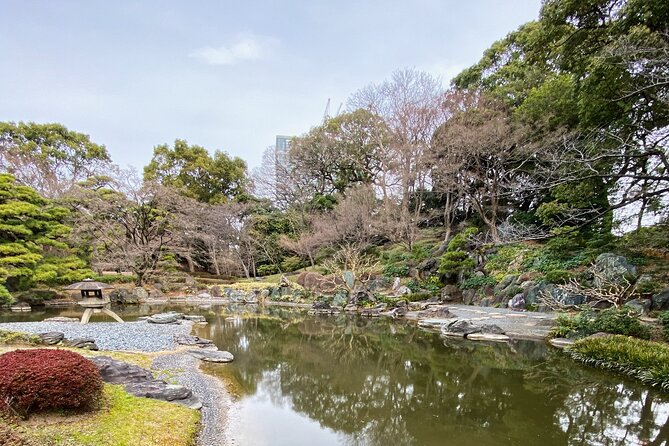
The first major reward is the setting itself. Edo Castle was once the seat of the shogun, and the East Garden occupies part of its former main grounds. You see a mix of formal garden design, open lawns, old defensive features, water, trees, and surviving structural traces.
A guide helps you understand why the site was arranged as it was. Castle grounds were not simply decorative. Walls, gates, stonework, and controlled approaches all reflected rank, security, and power. The garden now feels calm, but its earlier purpose was far more serious.
The walking route also brings together two periods of Japanese history. The Edo era recalls the shoguns and feudal order, while the Imperial Palace connects the site to the modern imperial family. Guides such as Shigeru and Masahito have been praised for giving a broad introduction to Japanese history before explaining the specific places inside the garden.
That wider context is useful. If you know little about the difference between a shogun, daimyo, and emperor, the tour gives you a basic framework. If you already have some background, you can ask more focused questions about architecture, court life, government, or cultural customs.
Garden scenery, old walls, and vanished buildings
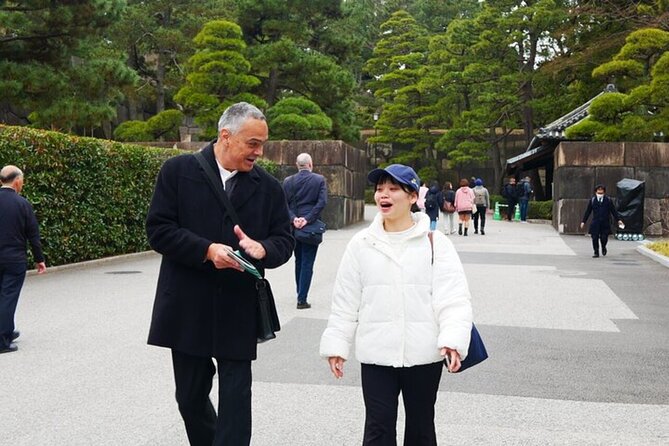
Do not come expecting a full castle reconstruction. One of the most important practical points is that much of the old complex is gone. The pleasure comes from combining what remains with the stories attached to it.
You might pause beside old walls or building foundations while your guide explains what once occupied the site. Some guides bring printed photographs or other visual aids. These can make a major difference, since a low stone base is easier to understand when you can see the building that once rose above it.
The garden itself is carefully maintained, with trees, paths, water, and seasonal planting. Several guides have pointed out the importance of particular trees and plants, adding a cultural layer to what might otherwise be a simple stroll. The result is a visit that works for both history fans and people who mainly want a peaceful green break from Tokyo.
The garden’s famous koi are another small attraction. The tour description calls attention to a one-of-a-kind magical breed of koi. Treat this as a fun detail rather than the main reason to book. The stronger experience is the combination of fishponds, garden design, and the larger story of the castle grounds.
More Royal Palace Tours in Japan
- Tokyo: Imperial Palace and Shogun Historical Walking Tour
★ 5.0 · 2,251 reviews - Tokyo: Imperial Palace Japanese History Walking Tour
★ 4.9 · 987 reviews - Tokyo: Imperial Palace and Shogun Walking Tour
★ 4.9 · 935 reviews - Kyoto: Imperial Palace & Nijo Castle Guided Walking Tour
★ 4.7 · 453 reviews
What the guide adds to a free public garden
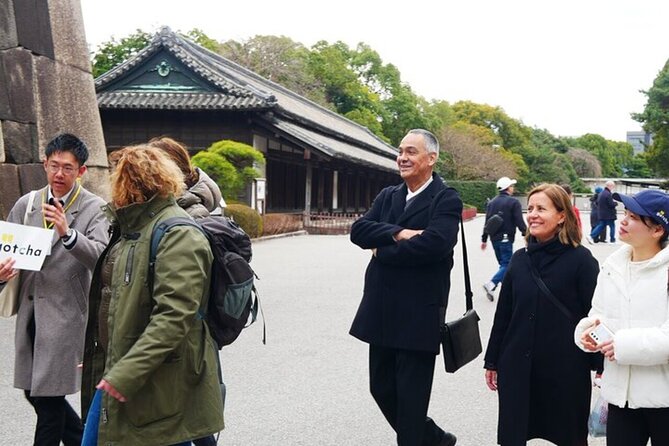
The East Garden is free to enter, so you may wonder why pay $42 for a two-hour walk. That is the central value question.
You are not paying for an exclusive entrance or access to rooms inside the palace. You are paying for interpretation, structure, and an English-speaking person who can make sense of a large historic site. If you simply want to walk through attractive gardens, you can visit without a paid tour. If you want to understand the shogun system, the former buildings, the imperial connection, and the cultural meaning of what you see, the guide can make the visit far more rewarding.
The strongest guide reports focus on clear explanations rather than speed. Hitoshi is repeatedly praised for his English, patience, and broad knowledge of Japanese history. Naoko is noted for using pictures and visual explanations, while Shigeru is described as engaging and helpful with photographs and local directions. Mikio has been praised for answering many questions and slowing down when needed.
Guide quality can vary from person to person, as it does on any guided walk. Still, the repeated pattern is encouraging: warm personalities, good English, useful historical context, and a willingness to adjust the visit to the group.
A relaxed two-hour pace
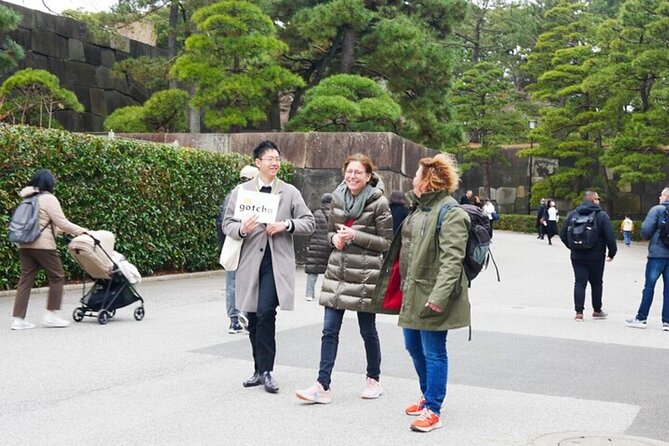
Two hours is about right for this experience. It gives you enough time to cover the main garden areas without turning the visit into a lecture marathon.
The pace is particularly helpful for older visitors, families, and anyone who prefers to stop often. Several guides have been praised for working patiently with senior groups. One guide took special care of a visitor using a wheelchair, while other guides walked participants toward the subway after the formal tour ended.
You should still expect outdoor walking. The garden is a public historic site, not a seated museum tour. Wear shoes suited to paths and uneven old surfaces, and plan for the weather. Rain did not prevent some groups from enjoying the visit, but sunshine will clearly make the gardens more pleasant.
The schedule may also stretch slightly in a small group. One guide extended the visit so the group could see the main areas without being hurried. Do not count on extra time every day, but the general style appears more thoughtful than rigid.
What you will not see
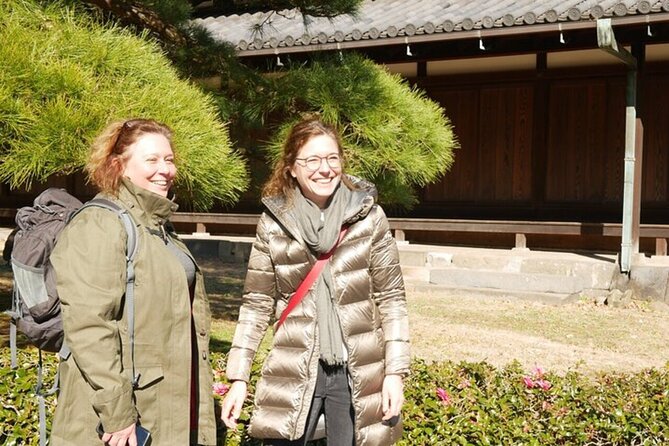
The tour does not go inside the Inner Palace. This is the biggest limit, and you should know it before booking. The palace is not presented as an open interior attraction here.
You will also not get a full-day historical excursion. The experience stays in the East Gardens and concentrates on the former Edo Castle grounds. If you want Nikko, Mount Fuji, temples, or a longer trip outside Tokyo, this is not the right choice.
One visitor questioned the $42 price because similar money could pay for a full-day trip to Nikko or Mount Fuji. That is a fair comparison. The value depends on your schedule and interests. A two-hour central Tokyo walk is convenient, focused, and easy to fit into a busy visit. It is not the best value if your main aim is to cover as much territory as possible for the lowest price.
Who should book this walk
I would recommend this tour to first-time visitors who want a clear introduction to Japan’s political and imperial past. It is also a good fit if you enjoy gardens but want more than a photo stop.
Families can benefit from the storytelling approach. A nine-year-old enjoyed one guide’s explanations, and the combination of old castle stories, visual aids, plants, koi, and open space gives younger visitors several ways to stay interested.
The tour also suits visitors who prefer a gentle pace. Older groups received patient attention, and guides have adjusted walking speed and added rest stops. If you have mobility needs, mention them when booking and confirm that the current route suits you. The available information shows thoughtful assistance, but it does not provide a formal accessibility map or route specification.
History specialists may find the tour introductory rather than deeply academic. You will get useful background on shoguns, daimyo, ninjas, emperors, gardens, and Japanese culture, but only within a two-hour visit. The benefit is that the material stays connected to the places around you.
Timing, closures, and practical planning
The East Garden is closed on Mondays and Fridays. Check the available start times before paying, and do not assume the garden operates every day simply because the Imperial Palace is one of Tokyo’s major sights.
The tour is offered in English with a live guide. Free cancellation is available up to 24 hours before the start, and you can reserve now and pay later, which helps if your Tokyo schedule is still shifting.
Keep your bag light. The entrance inspection is a normal practical matter, but it can slow you down if you arrive with shopping bags or questionable items. Most important, store Japanese knives before the tour rather than trying to explain them at the gate.
At $42 per person, this is a mid-priced short tour. I see it as worthwhile for the history and personal guidance, not for entry access. You can walk through the garden on your own, but you will likely miss the significance of the ruins, walls, plants, and changing political roles of the site.
Should you book the East Garden tour?
Book it if you want a calm, well-explained introduction to Tokyo’s shogun and imperial past. The best part is not a single spectacular building. It is the way a guide turns ordinary-looking stonework, garden paths, and old foundations into a readable story.
Skip it if you need to enter the palace, want a long full-day excursion, or prefer exploring public gardens independently. Also avoid Mondays and Fridays, when the East Garden is closed.
For most visitors with two hours to spare, the tour offers a sensible mix of history, greenery, and human guidance. I would book it early in a Tokyo stay, especially if you want basic historical context before visiting other castles, temples, or imperial sites in Japan.
FAQ
How long does the Imperial Palace East Garden tour last?
The guided walking tour lasts two hours and returns to Wadakura Fountain Park.
Where do I meet the guide?
Meet in front of the fountain at Wadakura Fountain Park. The guide will hold a sign marked Gotcha.
Does the tour enter the Inner Palace?
No. The tour visits the East Gardens on the former Edo Castle grounds and does not enter the Inner Palace.
Which days is the East Garden closed?
The East Garden is closed on Mondays and Fridays.
Is the tour offered in English?
Yes. The experience includes a live English-speaking guide.
What should I do if I bought a Japanese knife before the tour?
Place the knife or any similar item in a coin locker or another secure location before meeting the guide. Visitors may face a baggage inspection when entering the Imperial Palace grounds.
More Royal Palace Tours in the world
- Madrid: Royal Palace Fast-Access Admission Ticket
★ 4.6 · 13,856 reviews - Madrid: Royal Palace Expert Guided Tour with Skip-the-Line
★ 4.7 · 8,407 reviews - Amsterdam: Royal Palace Entry Ticket + Audio guide
★ 4.6 · 7,889 reviews - Dubai To Abu Dhabi: Grand Mosque, Royal Palace & Etihad Towers
★ 5.0 · 7,632 reviews
More Palace Gardens and Grounds in the world
- Paris: Versailles Palace and Gardens Full Access Ticket
★ 4.6 · 41,579 reviews - Versailles: Skip-the-Line Tour of Palace and Gardens Access
★ 4.7 · 10,429 reviews - Vienna: Schönbrunn Palace & Gardens Skip-the-Line Tour
★ 4.7 · 7,739 reviews - Granada: Alhambra & Gardens Tour w/Nasrid Palaces Option
★ 4.2 · 7,022 reviews
Newly added in the world
- Avignon: Around The Palace Tour★ 4.5 · 13 reviews
- Ayutthaya Full-Day Tour with Bang Pa In (Summer Palace)★ 5.0 · 2 reviews
- Bali: Gate Of Heaven and Water Palace Tirta Gangga Package★ 4.7 · 3 reviews
- Aranjuez: Royal Palace Guided Tour★ 4.5 · 93 reviews
- Asia Continent & Topkapı Palace & Harem. Guided, Small group★ 4.9 · 3 reviews
- Kornik Castle and Rogalin Palace Half-Day Private Tour★ 5.0 · 2 reviews
- Antananarivo: Guided Tour and sunset in queen’s palace★ 3.9 · 13 reviews
- Royal Palace of Aranjuez Small-Group Tour with Entry Ticket★ 5.0 · 2 reviews
Palace Gardens and Grounds, compared.

Versailles Palace and Gardens Full Access Ticket
Read our review →
Skip-the-Line Tour of Palace and Gardens Access
Read our review →
Schönbrunn Palace & Gardens Skip-the-Line Tour
Read our review →
Alhambra & Gardens Tour w/Nasrid Palaces Option
Read our review →
Versailles Palace & Gardens with Transportation
Read our review →
Skip-the-Line Schönbrunn Palace & Gardens Tour
Read our review →
Versailles Palace Guided Tour & Gardens Access
Read our review →
Versailles Palace and Gardens Tour from Paris
Read our review →Browse the lists this tour appears in