
Review · PALACE WALKING TOURS
Tokyo walking tour around Imperial Palace and Tokyo Station
The best part of this two-hour walk is the quick change of scene: polished Tokyo Station and the offices of Marunouchi give way to the quiet open space outside the Imperial Palace. You get architecture, city planning, and royal history without spending half a day on your feet.
I like the small group of up to four, since it gives you a real chance to ask questions. I also like the view of Tokyo Station from the KITTE building, a useful angle you might miss on your own. The main drawback is time: two hours goes quickly, and this is an outside-focused walk rather than a tour of the Imperial Palace interior.
Key points
- Tokyo Station begins the story: See how the station anchors Marunouchi and frames the district’s grand office buildings.
- KITTE offers a useful station view: The Japan Post building gives you a higher viewpoint for photographs of Tokyo Station.
- Marunouchi mixes old and new: The route passes the Marunouchi Building and the Meiji Seimei Kan, linking modern commerce with early twentieth-century design.
- Nijubashi marks the royal approach: Your guide explains the stone and iron bridges at the front of the Imperial Palace.
- Sakuradamon adds historical weight: The gate is a strong final stop before the tour ends near Kasumigaseki Station.
- Local guides shape the walk: Mikio, Masahito, and Miho are praised for answering questions and adjusting the experience to the group.
Why this short walk works in central Tokyo
This tour covers one of Tokyo’s most useful areas for a first orientation. You begin beside Tokyo Station, walk through the Marunouchi district, and finish near the Imperial Palace Outer Garden and Kasumigaseki Station. In a compact route, you see transport, business, architecture, and national history placed next to one another.
The walk is not designed as a palace admission visit. You stay on the outskirts and public grounds, with the main focus on views, buildings, bridges, and explanations from your guide. That makes it a good choice if you want context before exploring Tokyo on your own, or if you have only a short window between trains, shopping, or other city plans.
The district was bought and developed by Mitsubishi Corporation from 1890. That detail helps explain the broad streets, large office blocks, formal squares, and polished retail areas around Marunouchi. You are not simply ticking off unrelated sights. You are following the growth of a business district beside the seat of Japan’s imperial institution.
More Palace Walking Tours in Japan
- Tokyo: Imperial Palace and Shogun Historical Walking Tour
★ 5.0 · 2,251 reviews - Tokyo Castle & Imperial PalaceーShogun Walking Tour
★ 4.7 · 1,068 reviews - Tokyo: Imperial Palace Japanese History Walking Tour
★ 4.9 · 987 reviews
Meeting at Tokyo Station’s Marunouchi South Exit
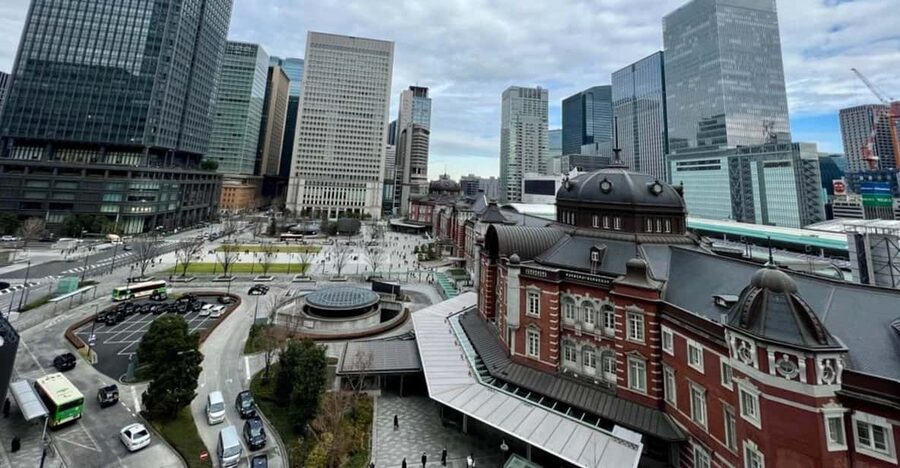
The meeting point is in front of the police box near the Marunouchi South Exit, at 1-9-1 Marunouchi, Chiyoda-ku. This is a sensible place to begin, but Tokyo Station can feel confusing if you come through the wrong exit. Give yourself time to locate the Marunouchi South Exit and the police box rather than rushing from a train platform.
Your guide speaks Japanese or English, and the group is limited to four participants. That small size matters here. The route passes busy public spaces and large buildings, so a private-feeling group makes it easier to stay together and stop for questions without holding up a crowd.
The start also gives you an immediate look at Tokyo Station. The red-brick exterior has a formal European feel, while the area around it is unmistakably modern Tokyo. Your guide can help connect the station’s appearance to the wider Marunouchi district instead of leaving you with a quick photograph and no explanation.
Tokyo Station and the Marunouchi Building
The first guided stop lasts about 10 minutes at Tokyo Station. That is enough for a clear introduction and a few photographs, but not enough for an in-depth station tour. If you are fascinated by railway architecture, you will want to return later for more time inside and around the station.
From there, the walk continues to the Marunouchi Building for another 10 minutes. This stop shows the commercial side of the neighborhood. Marunouchi is lined with offices, shops, and restaurants, yet its planned scale gives the area a more orderly feel than many parts of Tokyo.
I like this early section because it gives you a practical sense of place. You see the station as a transport hub, then the office district that grew beside it. The tour is especially helpful if you are staying near Tokyo Station and want to understand the area beyond hotel entrances and department stores.
KITTE and the Japan Post building view
KITTE Marunouchi is the former Japan Post building, now used as a shopping and dining complex. The tour allows about 15 minutes here, including a view of Tokyo Station from the building. This is one of the most useful photo opportunities on the route because the station’s full exterior is easier to appreciate from a little distance.
The stop also shows how older commercial structures can be given a new public role. You may find shops and restaurants here, but the key reason for visiting with the group is the view and the explanation of the building’s place in the district.
Keep your expectations realistic. Fifteen minutes is a short visit, so this is not a shopping stop or a full architectural survey. Think of KITTE as a viewpoint and a bridge between the station area and the older buildings farther along the route.
More Royal Palace Tours in Japan
- Tokyo: Imperial Palace and Shogun Walking Tour
★ 4.9 · 935 reviews - Imperial Palace East Garden and Edo Castle Walking Tour in Tokyo
★ 5.0 · 510 reviews - Tokyo: Imperial Palace East Gardens Walking Tour
★ 4.8 · 353 reviews - Tokyo: Imperial Palace, Sensō-ji Temple, & Tokyo Tower Tour
★ 4.5 · 339 reviews
The Meiji Seimei Kan’s formal design
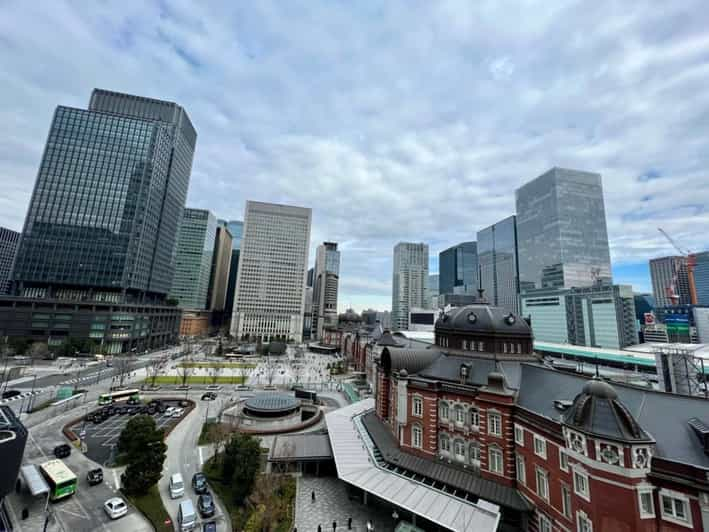
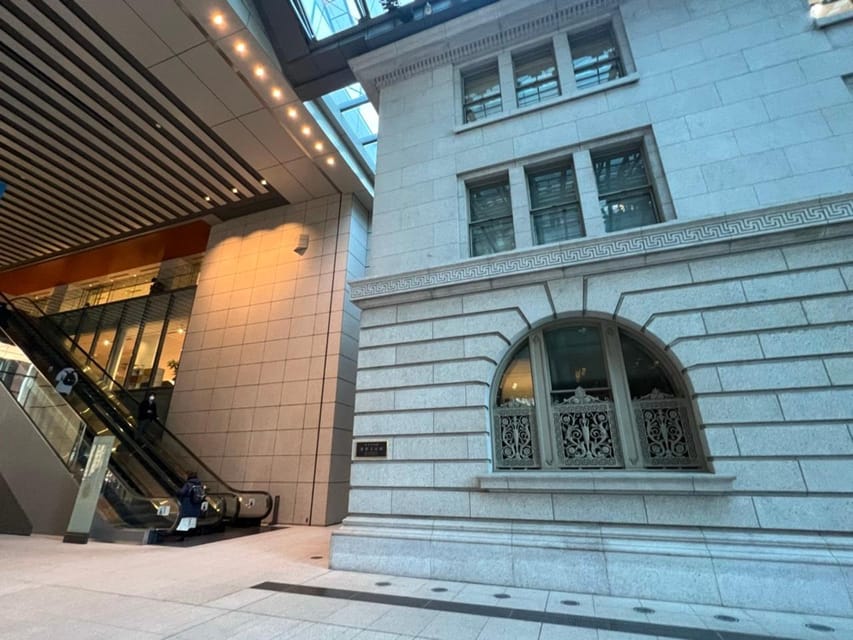
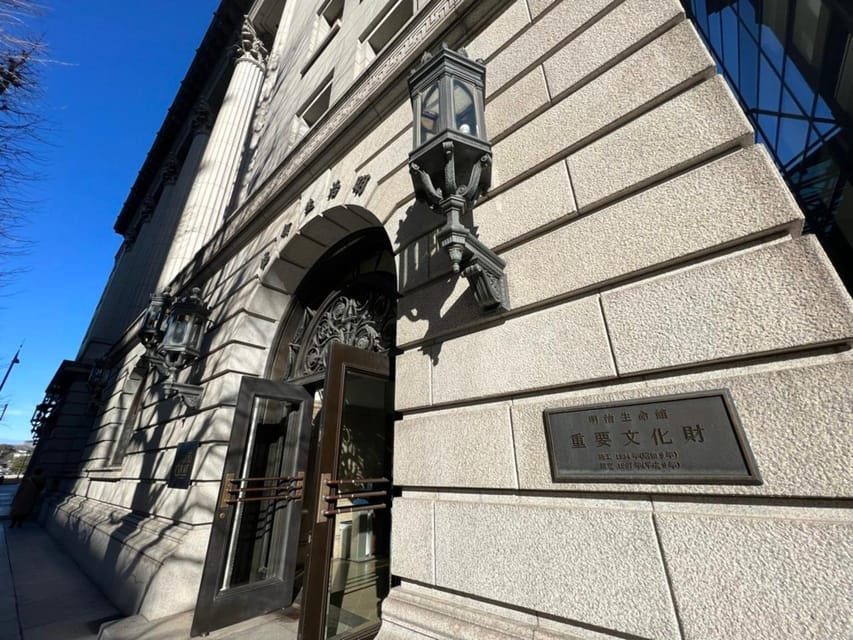
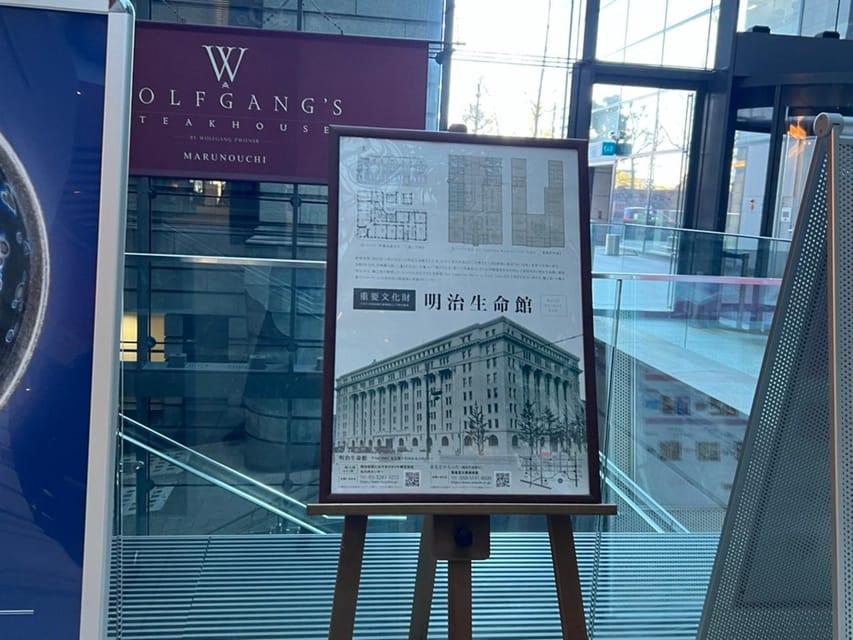
The walk then reaches Meiji Seimei Kan, also called the Meiji Life Insurance Company building. The scheduled visit lasts about 30 minutes, making it the longest stop before the Imperial Palace area. That extra time suggests the building is a major part of the tour rather than a quick passing glance.
The building gives you a different side of Marunouchi. After the station and newer office development, its formal design helps show the district’s older corporate character. Your guide can explain the building’s architectural features and place it in the development of modern Tokyo.
This is also where a guide adds more value than a map. A map can point out a grand façade, but it cannot easily explain why the building matters or how it fits between Tokyo Station and the Imperial Palace. Masahito was praised for asking about personal interests and making room for questions, which is useful at a stop where details can otherwise pass you by.
Nijubashi and the Imperial Palace Outer Garden
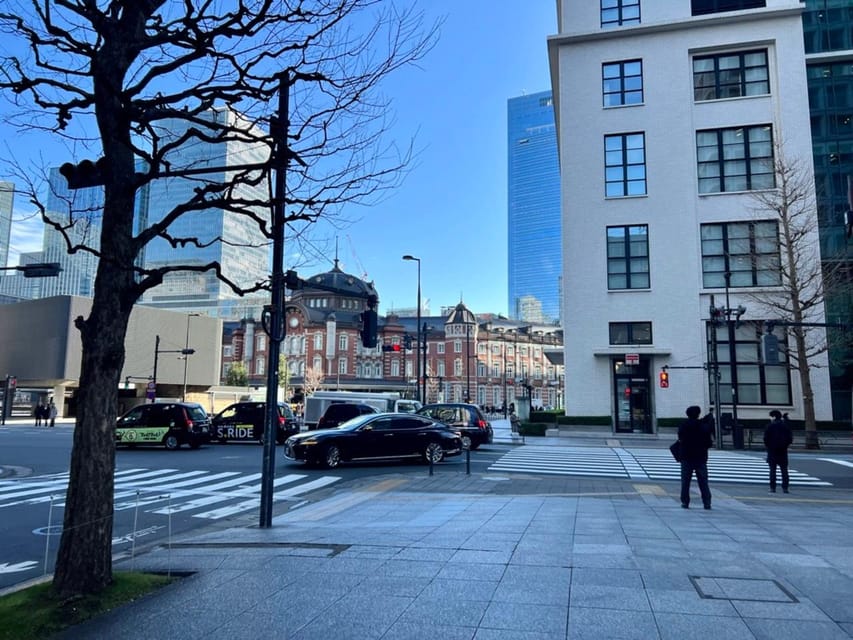
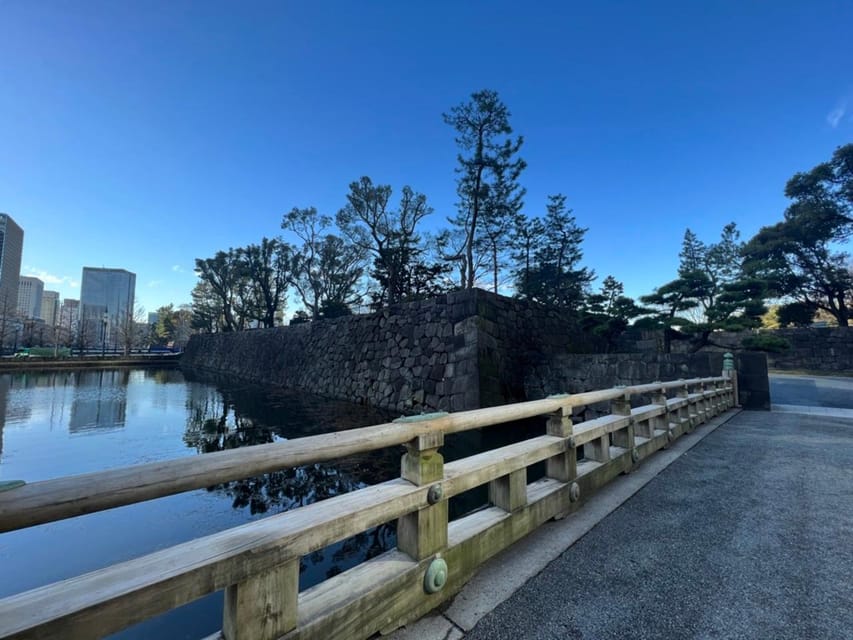
The route leaves the office district and reaches Nijubashi, the stone and iron bridges at the front gate of the Imperial Palace. The guide allows about 30 minutes here, giving you time to view the approach, take photographs, and hear about the bridge’s history and design.
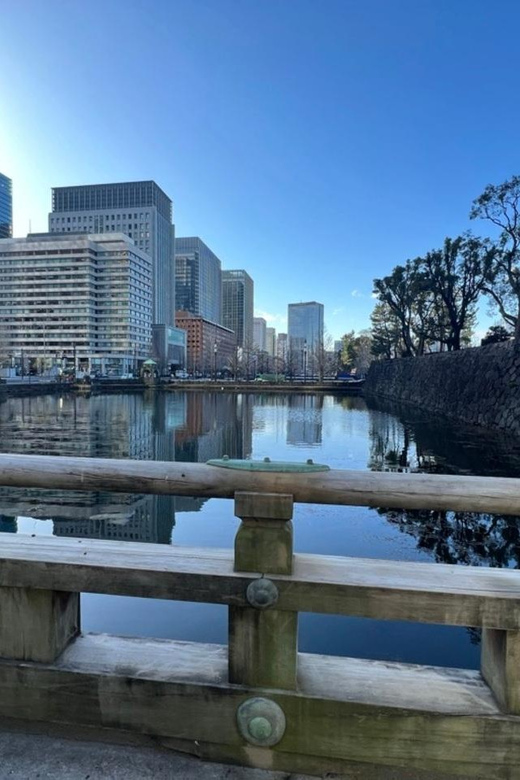
Nijubashi is one of the most recognizable palace views in Tokyo. The bridge, gate, moat area, and formal open space create a sharp contrast with the nearby office towers. That contrast is the heart of the tour. In just a few blocks, Tokyo shifts from private companies and shopping to ceremonial imperial grounds.
The tour focuses on the Imperial Palace Outer Garden and the area around the front gate. You should not expect access to palace rooms or a general admission visit inside the main grounds. If your main goal is an interior palace tour, this walk will not fill that need. If you want a clear public view and an explanation of the setting, it does the job in a short amount of time.
I would save your best photo attempt for this section, while remembering that the exact view depends on crowds, weather, and the position of the group. The guide can help you understand which parts are the bridge, gate, and palace approach, instead of leaving you to guess from a distance.
Sakuradamon Gate and the final stretch
Sakuradamon Gate is the final listed stop, with about 25 minutes devoted to it. The gate gives the walk a second major Imperial Palace viewpoint and adds a historical layer beyond the familiar Nijubashi photograph.
Seeing both Nijubashi and Sakuradamon is worthwhile because they present different parts of the palace perimeter. Nijubashi is the formal front approach most people picture, while Sakuradamon helps you understand the wider defensive and ceremonial layout of the grounds.
The tour finishes at Kasumigaseki Station. That is practical if you plan to continue sightseeing in central Tokyo, but it also means the experience does not return you to Tokyo Station. Before you set out, note the end point so you can plan your next move without needing to retrace the entire route.
What the guides add to the experience
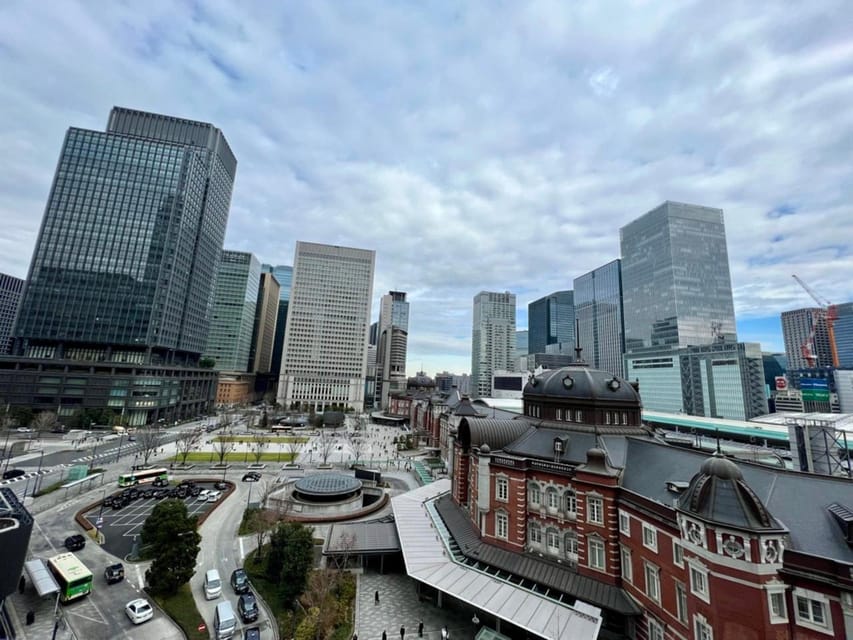
A good guide is especially useful on a walk like this because many of the buildings are best understood through connections. The route has no single admission ticket or large indoor attraction to carry the experience. The value comes from knowing what you are looking at and why the buildings sit where they do.
Mikio is praised for being flexible with the plan and keeping two teenagers engaged. That is a useful clue for families. The walk can work for older children if they enjoy questions, city views, and stories, though the experience remains a walking and architecture tour rather than a hands-on family activity.
Masahito is described as asking about preferences from the beginning and adjusting the route to match expectations. That can make a real difference in a four-person group. If you care more about architecture, local history, photography, or practical Tokyo orientation, tell your guide early.
Miho is praised for giving a strong introduction to Tokyo and explaining the local area. I would consider this especially useful on your first day in the city, when you are still learning how the central districts connect.
The public information gives the tour a top rating from three verified bookings. That is a small sample, so I would not treat it as proof that every departure will be identical. Still, the repeated praise points to the same strengths: guide quality, flexibility, clear explanations, and the ability to engage different ages.
Is $49 a fair price for two hours?
At $49 per person, the tour costs more than simply walking from Tokyo Station to the Imperial Palace on your own. The route itself is free to access, so you are paying for the guide, the structure, and the chance to ask questions in a very small group.
For a group of up to four, the price is easier to justify than it would be for a large group. You are not just following a flag through the streets. You can speak directly with the guide, request more detail, and ask for clarification when a building or custom is unfamiliar.
The value is strongest if you are new to Tokyo, short on time, or interested in architecture and history. It is weaker if you already know Marunouchi well, prefer to explore at your own pace, or only want a photograph of Nijubashi.
The tour includes the guide but does not list meals, transport, or admission to an interior attraction. That is fine because the route is built around public streets, the Outer Garden, and exterior views. Just understand what you are buying: local explanation and a compact walking route, not a full-day sightseeing package.
Timing, pace, and practical planning
The advertised duration is two hours. The route includes several short guided stops, with more time at Meiji Seimei Kan, Nijubashi, and Sakuradamon. You should plan for steady walking between locations, even though the tour is broken into manageable sections.
Wear comfortable shoes and check the weather before you go. The experience takes place outdoors for much of its length, and the most important palace views are outside. On a warm, wet, or cold day, your comfort will affect how much you enjoy the explanations.
Because the group is small, the guide may be able to adjust the emphasis. Do not assume the route can be completely redesigned, but the experience is suited to direct conversation. If you have teenagers, a particular interest in buildings, or questions about Japanese institutions, raise that at the start.
Cancellation is free up to 24 hours before the activity, and you can reserve now and pay later. Those terms help if your Tokyo schedule is still shifting, though you should still choose a time that gives you enough margin to reach the Marunouchi South Exit.
Who should book this walk?
I would recommend it to first-time visitors who want a fast orientation around Tokyo Station and the Imperial Palace. It also suits anyone staying near Marunouchi, people with a spare morning or afternoon, and families who want a guide who can speak directly with children and teenagers.
It is a good match for architecture fans, since the route includes Tokyo Station, the Marunouchi Building, KITTE, Meiji Seimei Kan, and two important palace gates. It also works for visitors who enjoy asking questions instead of reading signs and guidebook captions alone.
I would hesitate if you want to enter the Imperial Palace, spend hours inside Tokyo Station, or cover a wide section of Tokyo by bus or train. This is a focused walk, not a broad city tour. The short length is its strength, but also its limit.
Should you book the Imperial Palace and Tokyo Station walk?
Book it if you want a compact introduction to one of central Tokyo’s most important districts and value a guide who can adapt to your interests. The small group, the KITTE station view, and the contrast between Marunouchi offices and the Imperial Palace give the route more substance than a simple photo walk.
Skip it if you prefer independent sightseeing or need an indoor-heavy activity. For everyone else, $49 is a reasonable price for two hours of direct local guidance, especially on a first Tokyo visit. Tell the guide what you want to learn, bring comfortable shoes, and treat the tour as a starting point for exploring Marunouchi and the palace area on your own.
FAQ
How long is the Tokyo walking tour?
The tour lasts two hours.
Where does the tour begin?
It begins in front of the police box near the Tokyo Station Marunouchi South Exit, at 1-9-1 Marunouchi, Chiyoda-ku, Tokyo 100-0005.
Where does the tour finish?
The tour finishes at Kasumigaseki Station.
What sights are included?
The route includes Tokyo Station, the Marunouchi Building, KITTE Marunouchi, Meiji Seimei Kan, Nijubashi Bridge, the Imperial Palace Outer Garden, and Sakuradamon Gate.
Does the tour enter the Imperial Palace?
The experience visits the Imperial Palace Outer Garden and the area around Nijubashi and Sakuradamon. The provided information does not include entry to palace interiors.
What languages does the guide speak?
The live guide can conduct the tour in Japanese or English.
How large is the group?
The group is limited to four participants.
Who leads the tour?
The experience may be led by a Japanese or English-speaking guide. Guides named in the supplied information include Mikio, Masahito, and Miho.
How much does the tour cost?
The price is $49 per person.
Can I cancel the booking?
You can cancel up to 24 hours in advance for a full refund. You can also reserve now and pay later.
More Royal Palace Tours in Tokyo
- Tokyo: Edo Castle & East Garden of the Imperial Palace Tour
★ 4.7 · 112 reviews - Tokyo: Imperial Palace, the history of Japan (ENGLISH GUIDE)
★ 5.0 · 77 reviews - Tokyo: Pvt. Tour – Edo Castle & Imperial Palace East Gardens
★ 4.8 · 63 reviews - Tokyo: Imperial Palace East Gardens and Tokyo Station Tour
★ 5.0 · 16 reviews
More Palace Walking Tours in Tokyo
- Tokyo Castle & Imperial PalaceーShogun Walking Tour
★ 5.0 · 724 reviews - Tokyo Castle, Imperial Palace, Shogun & Garden Walking Tour
★ 5.0 · 211 reviews - Tokyo: Edo Castle and Imperial Palace Guided Walking Tour
★ 5.0 · 6 reviews - Venice: Doge’s Palace and St Mark’s Basilica Walking Tour
★ 4.4 · 6,291 reviews
Newly added in Tokyo
- Tokyo: Imperial Palace, the history of Japan (ENGLISH GUIDE)★ 5.0 · 77 reviews
- Tokyo: Imperial Palace with Nostalgic Alley Kagurazaka tour★ 4.3 · 8 reviews
- Tokyo: Pvt. Tour – Edo Castle & Imperial Palace East Gardens★ 4.8 · 63 reviews
- Tokyo: Edo Castle and Imperial Palace Guided Walking Tour★ 5.0 · 6 reviews
- Tokyo: Imperial Palace East Gardens and Tokyo Station Tour★ 5.0 · 16 reviews
- Tokyo: Edo Castle Ruins & Imperial Palace East Garden Tour★ 4.4 · 13 reviews
- Imperial Palace Tour: Discover Samurai History with a Guide★ 5.0 · 12 reviews
- Full Tokyo: Meiji Shrine, Imperial Palace, Asakusa & Skytree★ 4.7 · 16 reviews
Palace Walking Tours, compared.
Doge’s Palace and St Mark’s Basilica Walking Tour
Read our review →
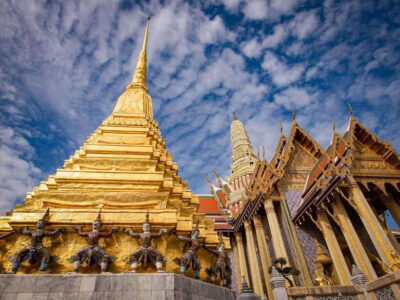
Grand Palace and Wat Phra Kaew Guided Walking Tour
Read our review →
Imperial Palace and Shogun Historical Walking Tour
Read our review →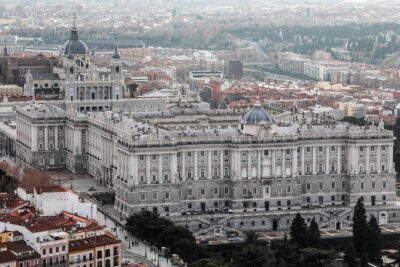
Madrid Old Town & Royal Palace Walking Tour Skip the Line Ticket
Read our review →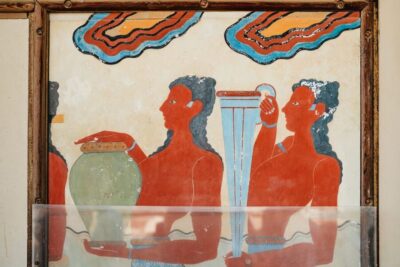
Knossos: Knossos Palace Skip-the-Line Guided Walking Tour
Read our review →
Tokyo Castle & Imperial PalaceーShogun Walking Tour
Read our review →Browse the lists this tour appears in